






















Text & Titles
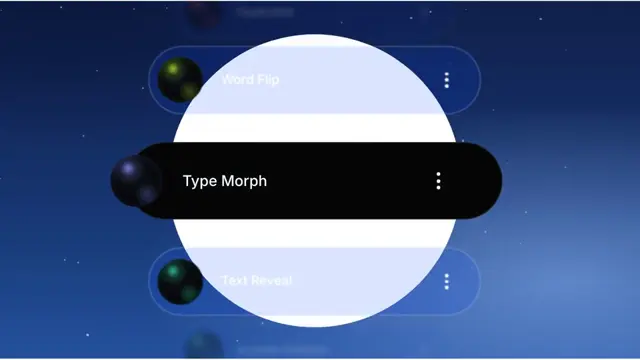
Type Morph
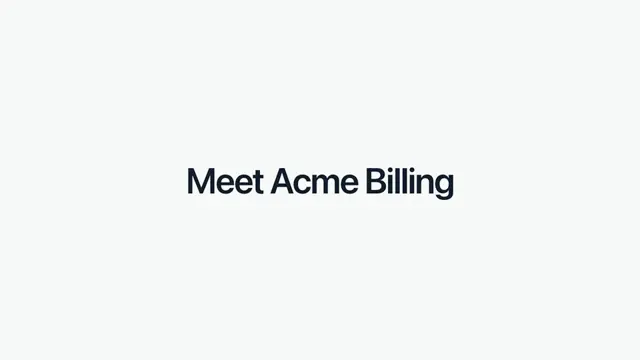
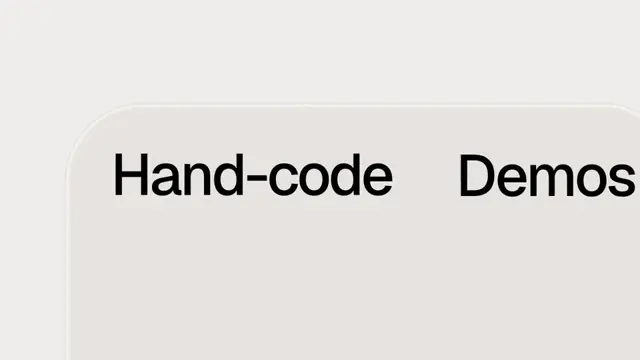
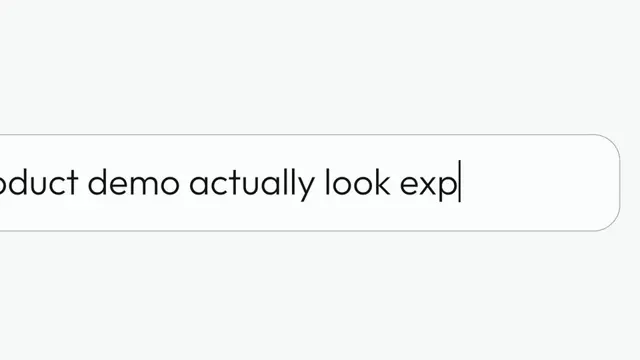
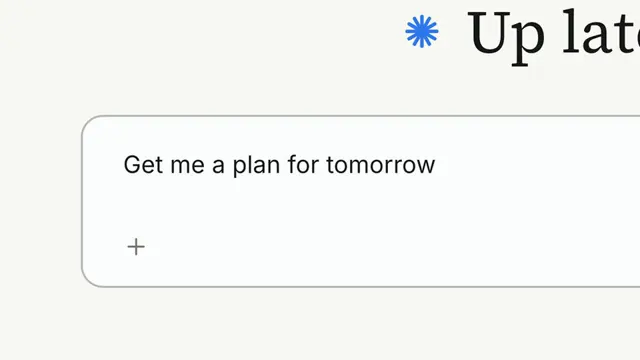
A headline that types itself under a glowing caret, sheds its lead, morphs letter by letter, and ends under a colour flood
- Type
- Animation
- Duration
- 3.1s
- Category
- Text & Titles
- Source
- snapcn
Install
Overview
Four mechanics on one timeline.
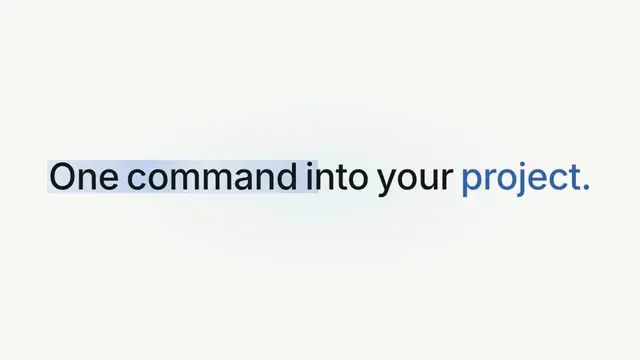
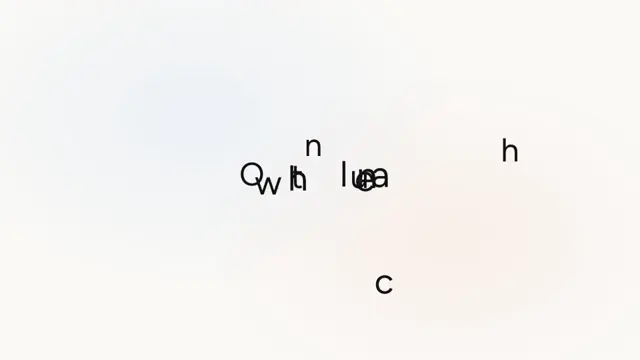
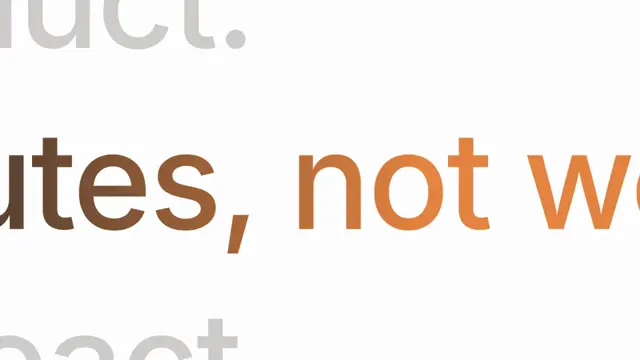
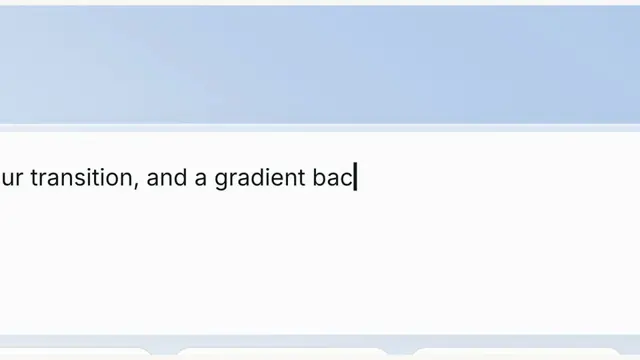
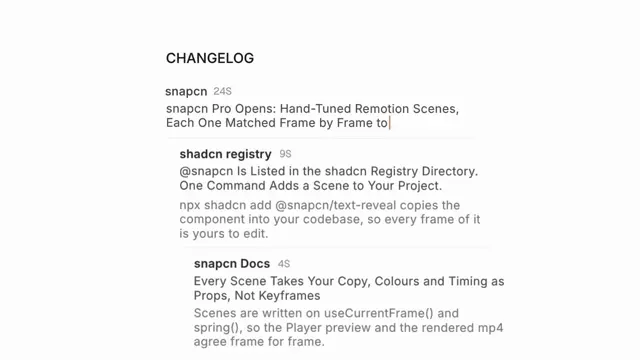
Typing. The line is centre-anchored, so it grows in both directions rather than running to the right. A glyph lands in the accent colour and cools to ink over the next two glyphs — that moving warm edge is what reads as typing, more than the caret does.
The cut. The lead is removed in a single frame. It is not animated out; what is animated is the slide back to centre that follows it.
The morph. Glyphs shared between the two phrases travel from where they were to where they belong, and the rest cross-fade in place. Every position is measured in the real face at the real size behind a hidden probe, because a morph built on estimated advance widths lands each letter a pixel or two off and reads as a wobble.
The exit and the flood. The line does not hold still and then cut — it
slides left for six frames first, accelerating, and the cut lands on a line that
was already leaving. Then two flat colours, four frames each, not a ramp: fading
a full-frame rectangle up leaves a half-transparent wash over the type for
several frames, and there is no reading of that except the screen dimming.
wordOnFlood is off by default, so the flood ends clean.
Notes
accent defaults to the theme's accent, and flood to a violet pair. Both take
your own colours; flood={false} ends the beat on paper instead.
background defaults to the theme's page. The reference's is a plain near-white
rather than the warm off-white the token carries, so the preview passes its own.
There is no glow behind the caret — just the bar. An earlier version had one, and
it is worth recording why it was hard to get right: it was built with mixOklch
toward the page, and mixOklch walks the hue path. From a violet accent to a
warm off-white that path goes through pink, so the halo rendered salmon. If you
add a glow back, composite it with withAlpha over the page — alpha has no hue
path.
Frequently asked questions
How do I add Type Morph to a Remotion project?
Run npx shadcn@latest add @snapcn/type-morph. The source is copied into components/snap-cn/ (or wherever your components.json points) with anything it depends on, and you own the code from then on — there is no runtime package to keep installed.
What is Type Morph?
Type Morph is a Remotion typewriter effect for React. A headline that types itself under a glowing caret, sheds its lead, morphs letter by letter, and ends under a colour flood.
What do I need before using Type Morph?
An existing Remotion project (npx create-video@latest) with a components.json. shadcn init does not recognise Remotion, so the installation guide has you write that file by hand — it takes two minutes. The component is MIT licensed and free.