












AI Chat Input
Prompt Zoom
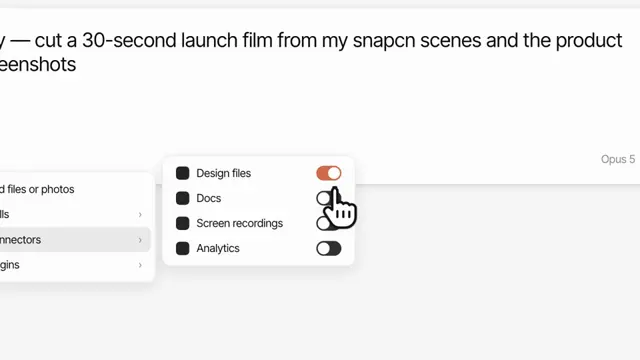
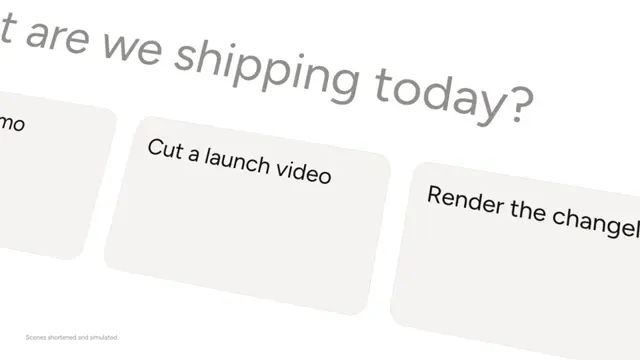
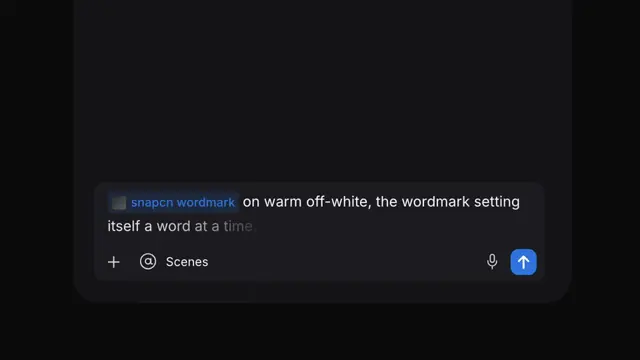
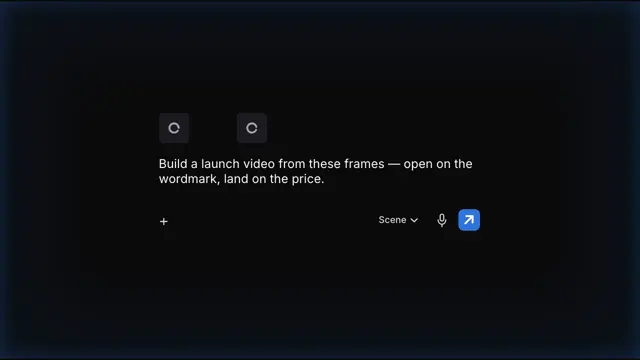
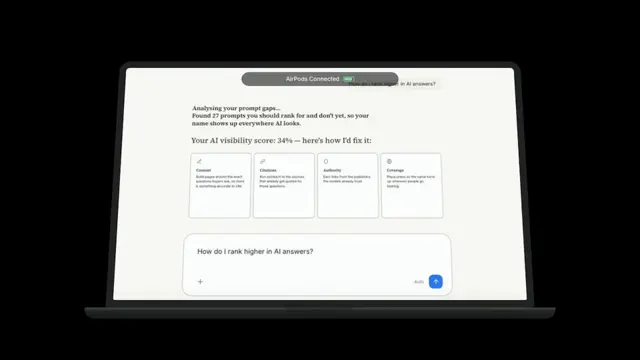
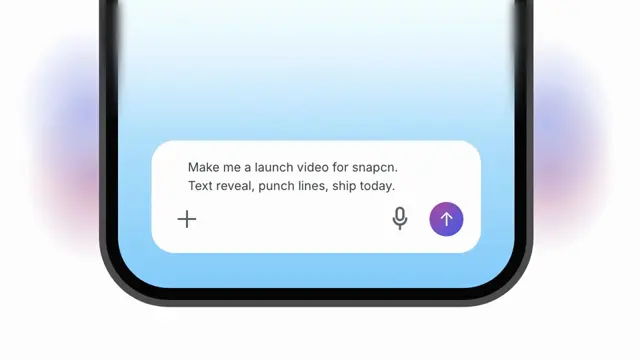
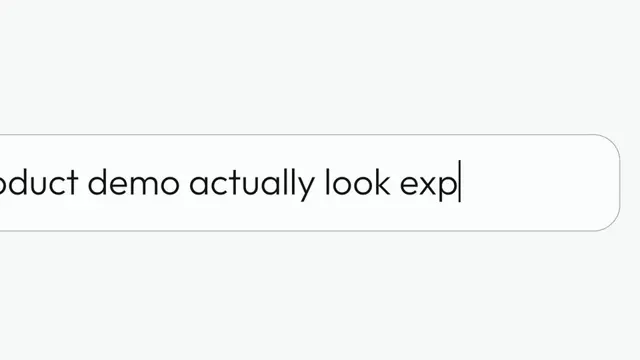
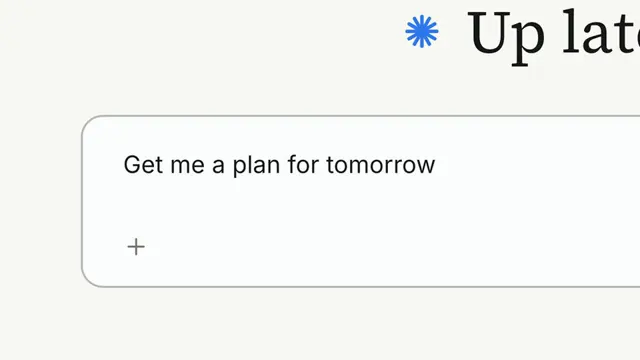
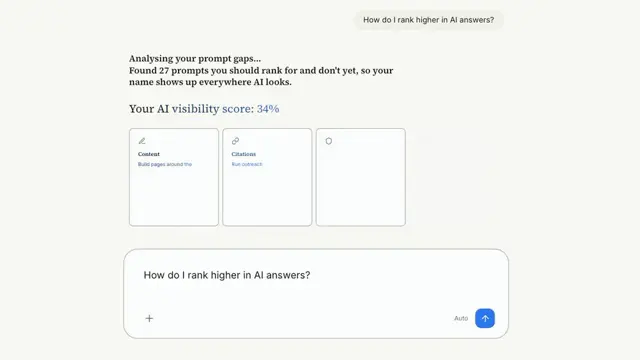
An assistant landing screen that offers its suggestions, then cuts hard into the caret — a measured 2.547× push anchored on the text insertion point — where the prompt types itself
- Type
- Animation
- Duration
- 3.0s
- Category
- AI Chat Input
- Source
- snapcn
Install
Installation
$ pnpm dlx shadcn@latest add @snapcn/prompt-zoomNeeds an existing Remotion project and a components.json. Two-minute setup if this is your first snapcn component.
Component code
The exact file shadcn add copies into your project.
Usage
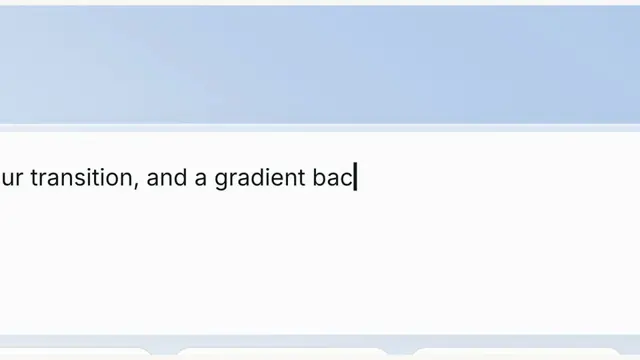
The prompt starts typing in the wide shot. Partway through the sentence the view cuts to the caret — and the typing does not pause for it, it carries straight on at the new size.
// src/Root.tsx
import { Composition } from "remotion";
import { PromptZoom } from "@/components/snap-cn/prompt-zoom";

const AskScene = () => (
  <PromptZoom greeting="Up late?" text="Get me a plan for tomorrow" />
);

export const RemotionRoot = () => (
  <Composition
    id="PromptZoom"
    component={AskScene}
    durationInFrames={90}
    fps={30}
    width={1280}
    height={720}
  />
);
The cut is the point
It is a cut, not a zoom. On the reference the wide view is whole on one frame and fully pushed in on the very next — 803ms to 824ms, with nothing in between. Interpolating it, even across two or three frames, turns a cut into a move and loses the snap entirely. isZoomed is deliberately a boolean, and there is a test asserting no frame is ever partway.
It fires mid-sentence, and that is what keeps it from reading as a scene change: the frame either side of the cut shows the same half-typed prompt, so there is one continuous action running through it and the cut simply gets you closer to it.
Where it lands matters as much as how fast. The push is 2.547×, anchored on a point 10% across and 41% down the input field — the text insertion point. The shot doesn't just get bigger, it arrives on the thing that is about to happen.
That focal point was fitted to the field's top and left edges, then checked against geometry it had not seen: it predicts the + glyph's centre to within 1.2px and the field's bottom edge to 0.0px.
| measured | |
|---|---|
| typing starts | 0.35s |
| cut at | 1.0s — mid-sentence |
| zoom | 2.547× |
| focal point | (0.270, 0.516) of the frame |
| typing | 18 chars/sec |
Every one of those is a prop.
Colour and wording
The proportions and the timing are measured. The colours and the labels are not — the reference is a specific product, and its mark, model names and suggestion labels are its brand, not something to ship to strangers. The paint is the shadcn token set, the field takes its surface from the Input primitive's own style context so the two cannot drift, and greeting, placeholder, model and effort are all props.
Suggestion pills are off by default — pass chips={["Write", "Learn"]} to show a static row under the field.
accentColor paints the starburst and defaults to theme.primary.
The reference clip is 1.078s and stops mid-word — it is still typing "Get…" when it ends. The default duration here is the choreography's own end plus a hold, not the recording's length.
Frequently asked questions
How do I add Prompt Zoom to a Remotion project?
Run npx shadcn@latest add @snapcn/prompt-zoom. The source is copied into components/snap-cn/ (or wherever your components.json points) with anything it depends on, and you own the code from then on — there is no runtime package to keep installed.
What is Prompt Zoom?
Prompt Zoom is a Remotion AI prompt zoom animation for React. An assistant landing screen that offers its suggestions, then cuts hard into the caret — a measured 2.547× push anchored on the text insertion point — where the prompt types itself.
What do I need before using Prompt Zoom?
An existing Remotion project (npx create-video@latest) with a components.json. shadcn init does not recognise Remotion, so the installation guide has you write that file by hand — it takes two minutes. The component is MIT licensed and free.